For nearly a century, the Oscars have crowned Hollywood's elite, but their blind spots have become as famous as their winners. With only five slots per category, the Academy's oversights have created a parallel universe of cinematic legends who never got their golden moment—performances that haunt award season like cinematic ghosts.
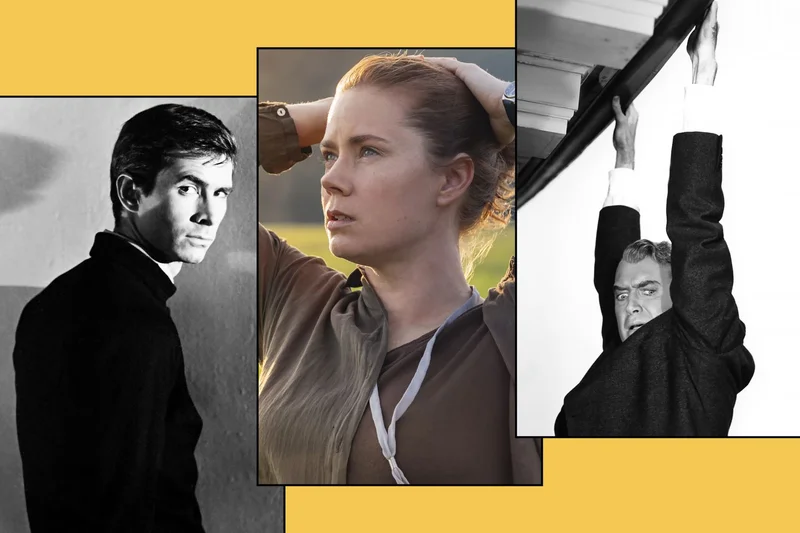
Every year, fans rage over snubs that defy logic. From Ingrid Bergman's heartbreaking turn in Casablanca (1942) to Anthony Perkins' chilling Norman Bates in Psycho (1960), and modern masterpieces like Amy Adams in Arrival (2016) and Margot Robbie's billion-dollar Barbie (2023), these roles have outshone many actual winners in cultural impact.
We've ranked the 30 most unforgivable Oscar misses that still make film buffs scream at their screens.
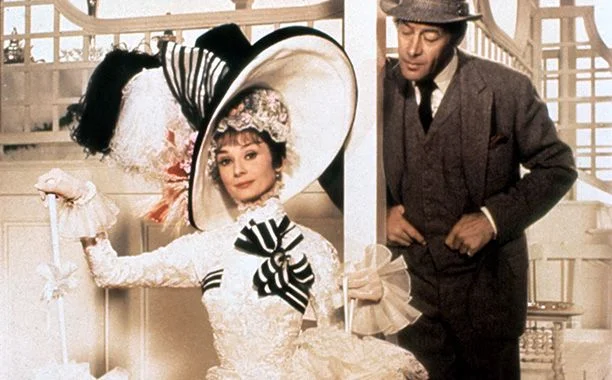
Audrey Hepburn as Eliza Doolittle and Rex Harrison as Professor Henry Higgins in 'My Fair Lady'. Everett Collection
Audrey Hepburn's iconic transformation in My Fair Lady should have been a slam-dunk Oscar win. Instead, voters punished her for using a vocal double (Marni Nixon), ignoring her breathtaking physical and emotional performance. The irony? Julie Andrews—who Hepburn replaced—won Best Actress that year for Mary Poppins. Hollywood's pettiness couldn't dim Hepburn's star power, as she received a legendary standing ovation at the ceremony.
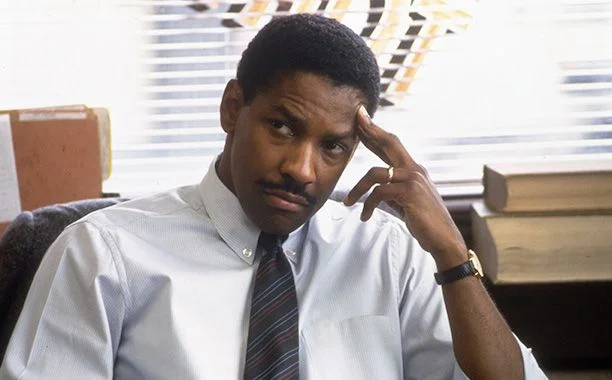
Denzel Washington as Joe Miller in 'Philadelphia'. Everett Collection
While Tom Hanks deservedly won for Philadelphia, Denzel Washington's performance was the true acting miracle. Playing a homophobic lawyer who evolves into an ally, Washington navigated prejudice with such subtlety that audiences didn't just watch his transformation—they lived it. His Oscar snub remains one of history's most baffling decisions.

Song Kang-ho as Kim Ki-taek and Hye-jin Jang as Chung-sook in 'Parasite'. NEON
Parasite made Oscar history by winning Best Picture, but the Academy completely ignored its acting brilliance. Song Kang-ho's performance as a desperate father orchestrating an elaborate scam was a masterclass in controlled rage. His SAG ensemble win proved the industry recognized his genius—making his Oscar omission even more glaring.