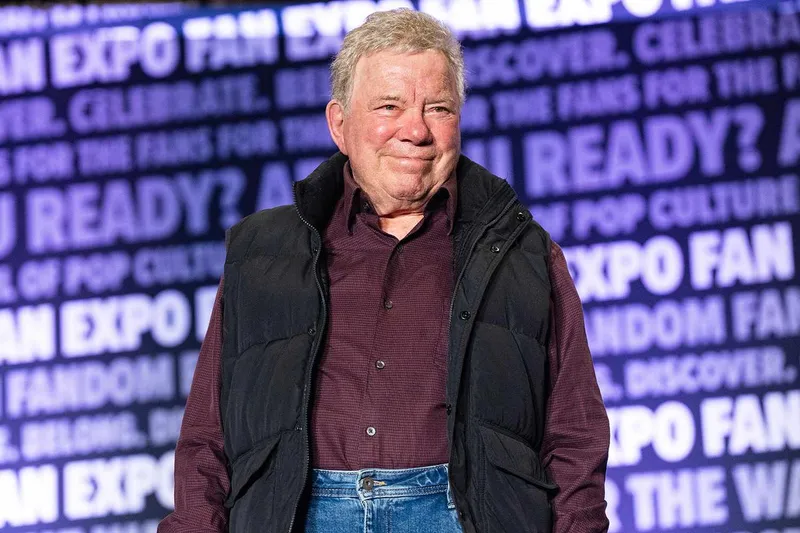
William Shatner in New Orleans on Jan. 11, 2025. Erika Goldring/Getty
EXCLUSIVE: William Shatner has revealed a deeply personal childhood trauma that fueled his controversial Super Bowl ad—and it's all tied to his name. In an emotional interview with TheEntBase, the 93-year-old icon confessed that decades of playground taunts about his surname's crude connotations left lasting scars.
"Those childhood fights still haunt me," Shatner admitted, his voice trembling. "I'd scream 'Don't call me that!' as bullies laughed. For Kellogg's to resurrect that pain for a cereal commercial? It felt like reopening a wound I'd spent a lifetime trying to heal."
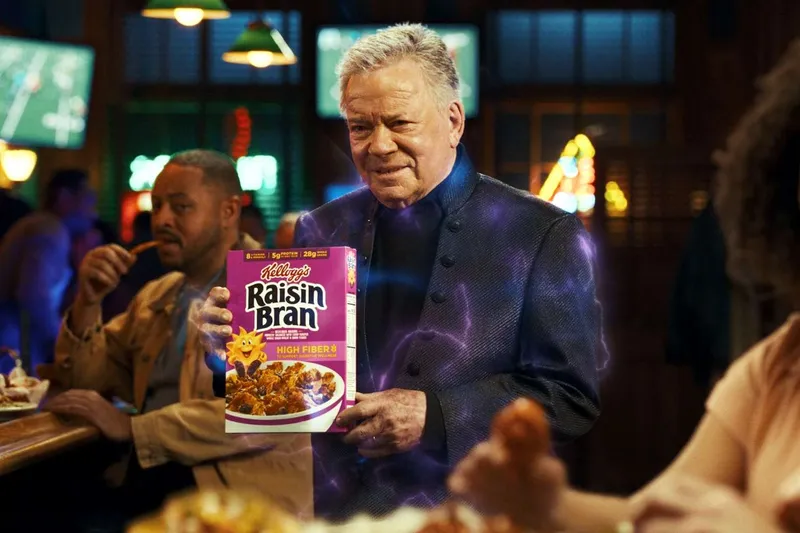
The ad—which has already sparked viral debate—features Shatner in a Star Trek-inspired command center, punning on his name to promote Raisin Bran's digestive benefits. But behind the humor lies a shocking truth: Shatner nearly walked away from the $7 million Super Bowl spot.
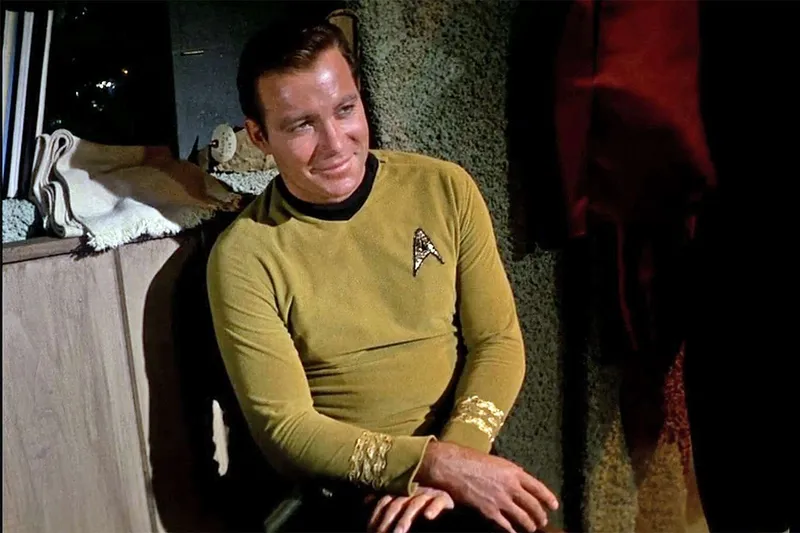
William Shatner in 'Star Trek'. Pluto TV
"I kept asking, 'Is this too much? Am I just a toilet joke?'" he revealed. "But the ad agency convinced me this was about reclaiming my narrative. Turning childhood humiliation into empowerment—that's what made me say yes."
In a stunning climax, Shatner's character crashes through a table, transforming into a mountain of Raisin Bran boxes. The scene required a stunt double—a decision Shatner insists was necessary due to past injuries. "My left shoulder still aches from old stunts," he chuckled. "Hollywood magic did the heavy lifting."
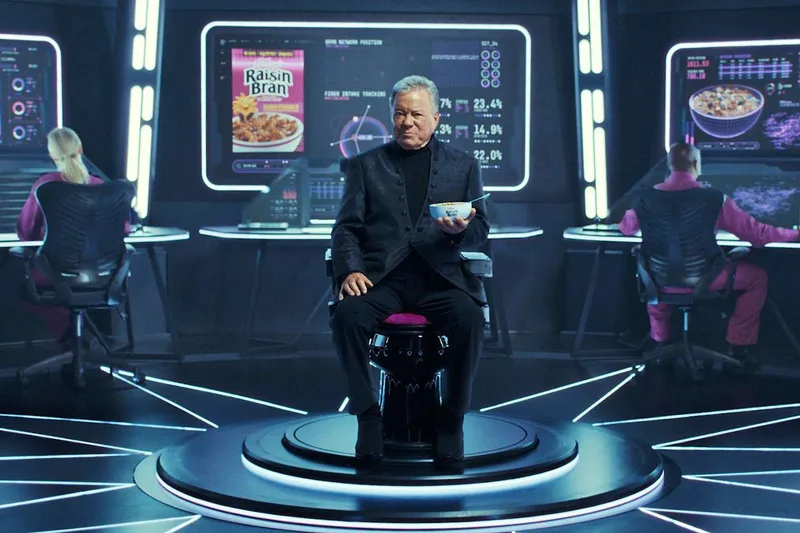
William Shatner in a Kellogg's Raisin Bran commercial. VaynerMedia
Shatner plans to watch the ad live during his Super Bowl party, surrounded by 20 friends. "I never watch myself," he confessed. "But this time feels different. This isn't just a commercial—it's my story. And maybe, just maybe, it'll help others laugh through their own pain."
THE BOTTOM LINE: At 93, William Shatner is proving that even childhood trauma can become Super Bowl gold. His ad isn't just selling cereal—it's selling resilience. And in today's cancel-culture climate, that's a message worth billions.