Warning: Major spoilers ahead for Bridgerton season 4, episode 7, "The Beyond." This isn't just another death scene - it's a masterclass in emotional storytelling.
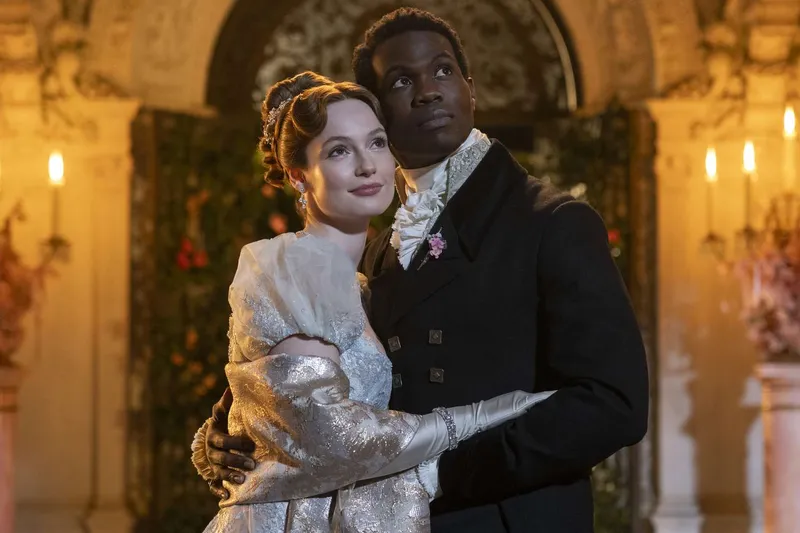
When Victor Alli's gentle John Stirling told his wife Francesca (Hannah Dodd) he had a headache and needed to rest, Bridgerton fans had no idea they were witnessing one of the most meticulously planned tragedies in television history. The discovery of his lifeless body later that evening wasn't just a plot twist - it was a strategic emotional detonation that showrunner Jess Brownell reveals was mapped out from the very first season 4 writers' meeting.
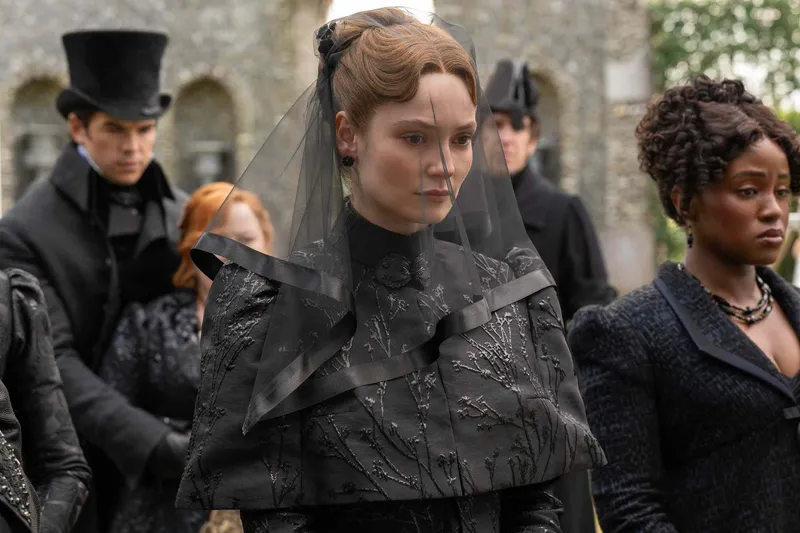
Hannah Dodd's Francesca faces unimaginable loss in 'Bridgerton'. Liam Daniel/Netflix
"We engineered this moment with surgical precision," Brownell confesses in an exclusive interview. "The goal wasn't shock value - it was creating the perfect emotional architecture. We needed viewers to fall completely in love with Fran and John's relationship, to invest in their quiet, beautiful connection, before dismantling it."
The timing wasn't accidental. Placing John's death in episode 6 - not the finale - was a deliberate choice that Brownell calls "the golden window of grief."
"Too early, and the loss feels cheap. Too late, and there's no room for the aftermath," she explains. "Episode 6 gave us exactly what we needed: enough time to build their love story, enough time to properly mourn, and enough time to pivot to Benedict and Sophie's conclusion without feeling rushed."
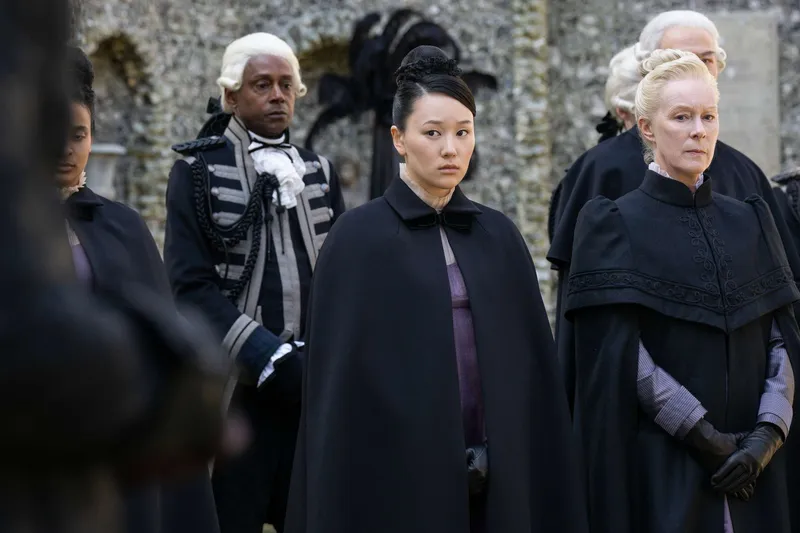
The 'Bridgerton' ensemble navigates grief in unexpected ways. Liam Daniel/Netflix
What makes Francesca's grief particularly devastating is its historical accuracy. "Modern audiences might not realize how revolutionary Michaela's celebration of life actually was," Brownell reveals. "In Regency England, public displays of emotion were considered vulgar. Francesca's stoicism wasn't coldness - it was proper etiquette. Women were expected to grieve through action, not tears."
This context transforms Francesca's funeral planning obsession from avoidance to period-accurate coping mechanism. "She's not denying her pain - she's channeling it through the only socially acceptable outlet available," Brownell notes. "Her desperate hope for pregnancy? That's the era's version of bargaining with grief."
Meanwhile, Masali Baduza's Michaela represents something extraordinary: a woman grieving authentically in a society that demanded performance. "Michaela isn't just a character - she's a time traveler in her own era," Brownell says. "Her desire to celebrate John's life rather than just mourn his death would have been seen as radical, even inappropriate. But she gives everyone permission to feel joy alongside their sorrow."
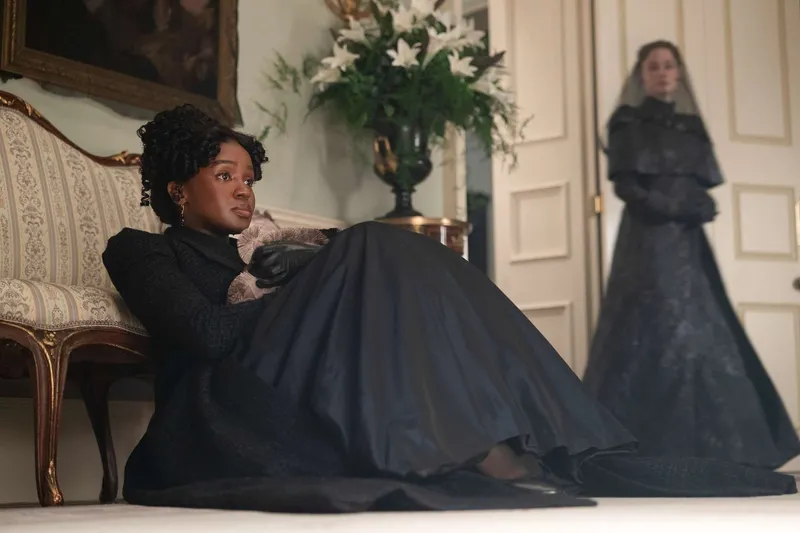
Masali Baduza's Michaela challenges Regency grief norms. Liam Daniel/Netflix
The result is television that doesn't just entertain - it educates. "We're showing modern audiences how grief was weaponized by social norms," Brownell concludes. "Francesca's journey isn't about getting over loss. It's about learning to grieve in a world that tells you how to feel. And that's a story that transcends centuries."
The Takeaway: John Stirling's death wasn't just heartbreaking television - it was historically informed, emotionally calculated storytelling that reveals how grief has been policed for centuries. The real shock isn't that he died, but how brilliantly Bridgerton uses his death to explore the politics of emotion across time.