For centuries, William Shakespeare's life has been shrouded in mystery, but one tragedy stands out: the death of his only son, Hamnet. Now, the Oscar-nominated film Hamnet, based on Maggie O'Farrell's bestselling novel, dares to imagine how this devastating loss might have inspired the Bard's greatest masterpiece, Hamlet. But how much of this tear-jerking story is rooted in fact, and how much is poetic license? We're diving deep into the evidence to separate truth from speculation.
The film, directed by Chloe Zhao, paints a vivid picture of Shakespeare's marriage to Agnes (formerly known as Anne Hathaway) and their family's collapse after Hamnet's death. While the emotional core is undeniable, historians have long debated the details of Shakespeare's personal life. Some even question his authorship of the plays! So, what can we actually prove about this heart-wrenching tale?
Let's uncover the real story behind the fiction.
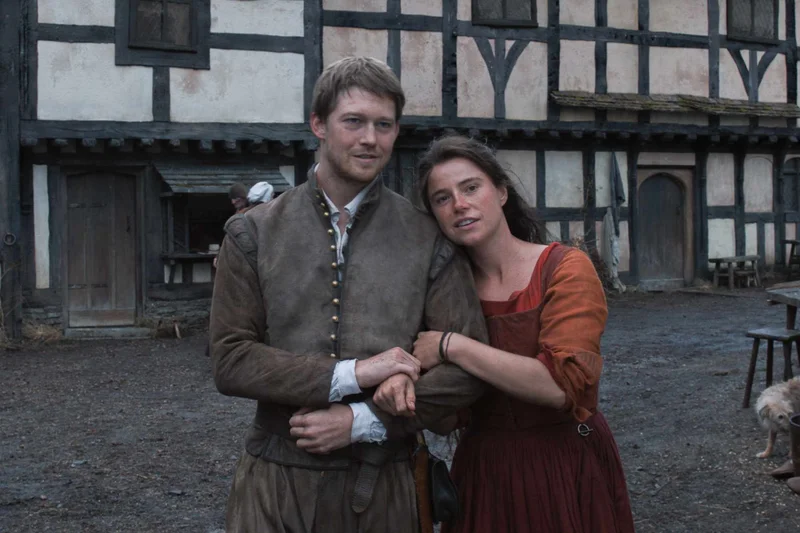
Joe Alwyn as Bartholomew and Jessie Buckley as Agnes in 'Hamnet'. Focus Features
In the film, Agnes is portrayed as a skilled herbalist with mystical insights, a far cry from the traditional view of her as an illiterate peasant who trapped Shakespeare into a loveless marriage. Maggie O'Farrell, the author, explains her inspiration: "We've only ever been given one narrative about her, and most biographers have just run with it. I wanted to challenge that by drawing on the strong, intuitive women in Shakespeare's plays, many of whom possess 'second sight.'"
While there's no direct evidence that Agnes was a herbalist, O'Farrell points to historical context: "Every household in Elizabethan England had a medicine garden, tended by the woman of the house. It was her responsibility to heal ailments, a knowledge men often didn't share." This creative interpretation adds depth to Agnes's character, even if it's speculative.
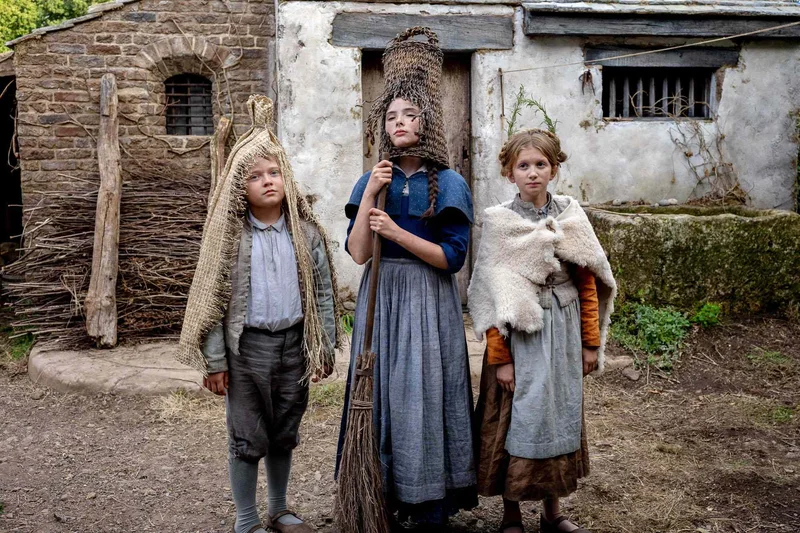
Jacobi Jupe, Bodhi Rae Breathnach, and Olivia Lynes in 'Hamnet'. Agata Grzybowska/Focus Features/Everett
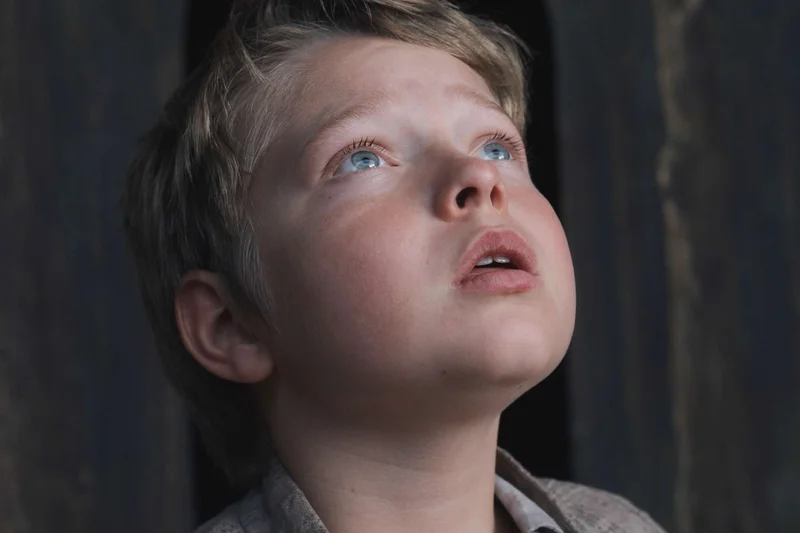
Jacobi Jupe as Hamnet in 'Hamnet'. Focus Features/Everett
The film suggests Hamnet died of the bubonic plague, a dramatic choice that fuels the narrative. However, O'Farrell admits the truth is elusive: "There's no recorded cause of death for Hamnet Shakespeare, just his burial. In Elizabethan times, death could come from countless sources—disease, infection, or even a simple cut leading to sepsis."
Historian James Shapiro casts doubt on the plague theory, noting no evidence of an outbreak in Stratford-upon-Avon in 1596. This highlights the film's blend of historical possibility with artistic imagination, making it a compelling but not entirely factual account.
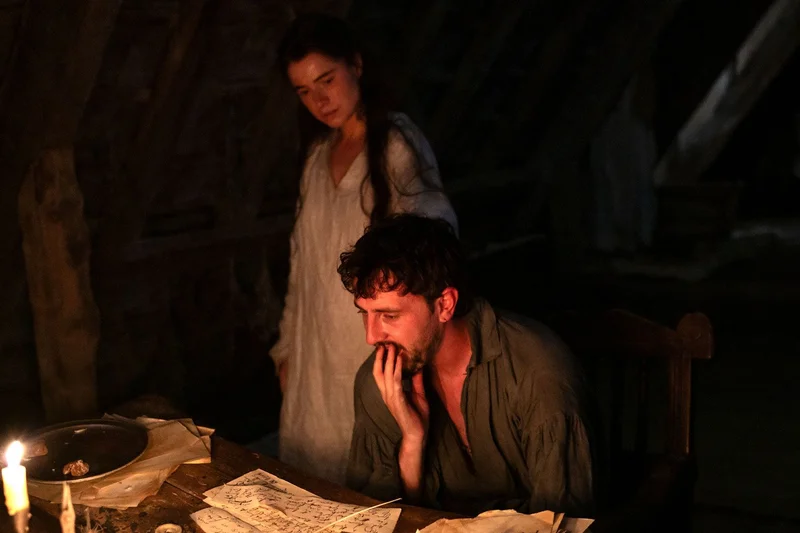
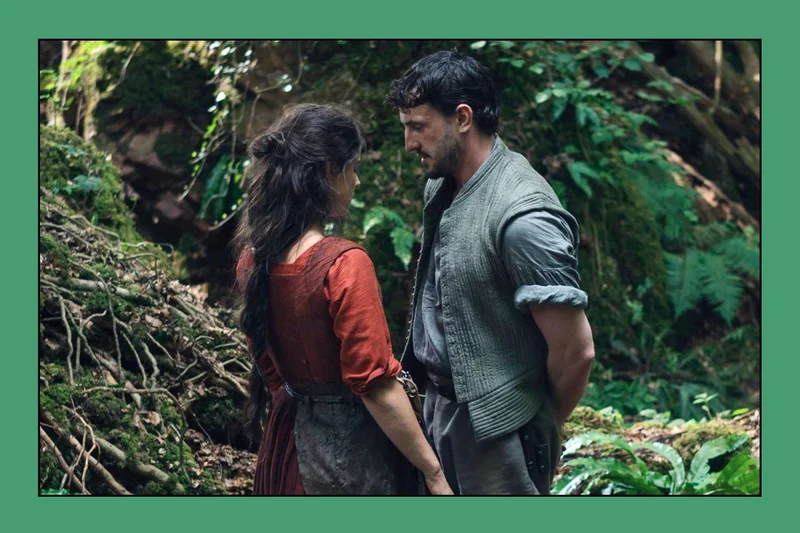
Jessie Buckley and Paul Mescal in a poignant scene from 'Hamnet'. Focus Features
Ultimately, Hamnet uses speculation to explore a profound truth: grief can inspire greatness. While the details may be debated, the emotional impact of Shakespeare's loss—and its potential link to Hamlet—resonates across centuries. This film isn't just a history lesson; it's a testament to the power of storytelling to fill in the blanks of our past.