Rosanna Arquette, who played the wife of drug dealer Lance in Quentin Tarantino's iconic 1994 film Pulp Fiction, has unleashed a blistering critique of the director's controversial use of racial slurs, declaring his repeated deployment of the N-word crosses from artistic expression into outright racism.

Rosanna Arquette in New York City on Feb. 9, 2026. Gary Gershoff/Getty
"I cannot stand that he has been given a hall pass," Arquette fumed in an exclusive interview. "It's not art—it's just racist and creepy. Tarantino's infatuation with this word isn't edgy filmmaking; it's a disturbing pattern that needs to be called out."
Her fiery comments reignite a decades-long debate about Tarantino's language choices, with the Desperately Seeking Susan actress joining a chorus of critics, including legendary filmmaker Spike Lee, who has previously slammed Tarantino's "obsession" with the slur.
"I'm not against the word," Lee told TheEntBase in a past interview. "But Quentin is infatuated with it. What does he want to be made—an honorary Black man? I want him to know that all African Americans do not think that word is trendy or slick."
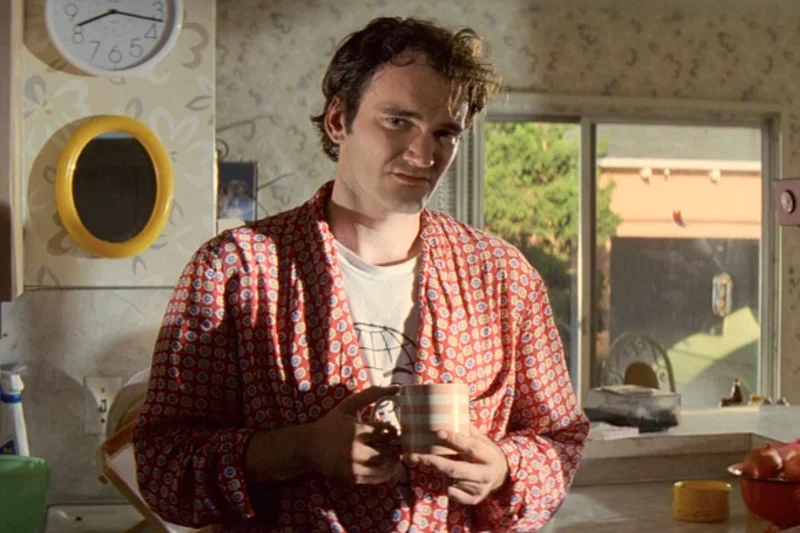
Quentin Tarantino in 'Pulp Fiction'. Miramax Films
Tarantino has long defended his approach, arguing it reflects historical accuracy and character authenticity. In a previous statement, he challenged critics: "If somebody is out there actually saying when it comes to the word n-----, the fact that I was using it in the movie more than it was being used in the antebellum South in Mississippi, then feel free to make that case. But no one's actually making that case. They are saying I should lie, that I should whitewash, that I should massage, and I never do that when it comes to my characters."
Adding fuel to the fire, actor Samuel L. Jackson—a frequent Tarantino collaborator—once revealed he amplifies the language in scripts, joking, "I generally add like at least five 'n-----'s to what Quentin has already written."
Representatives for Tarantino did not immediately respond to requests for comment on Arquette's latest salvo, leaving the industry buzzing over whether this insider critique will force a reckoning in Hollywood's ongoing dialogue about race, art, and accountability.