The Scream franchise's 2022 revival wasn't just a box office success—it was a cultural reset. With Scream VI outperforming its predecessor and introducing breakout stars Melissa Barrera and Jenna Ortega, the stage was set for a blockbuster seventh installment. But behind the mask, a real-life horror story was unfolding that would leave the franchise bleeding out.
Scream 7 was supposed to be the triumphant return of Neve Campbell under Kevin Williamson's direction. Instead, it became Hollywood's most chaotic production—a perfect storm of political controversy, director walkouts, and death threats that exposed the dark underbelly of franchise filmmaking.
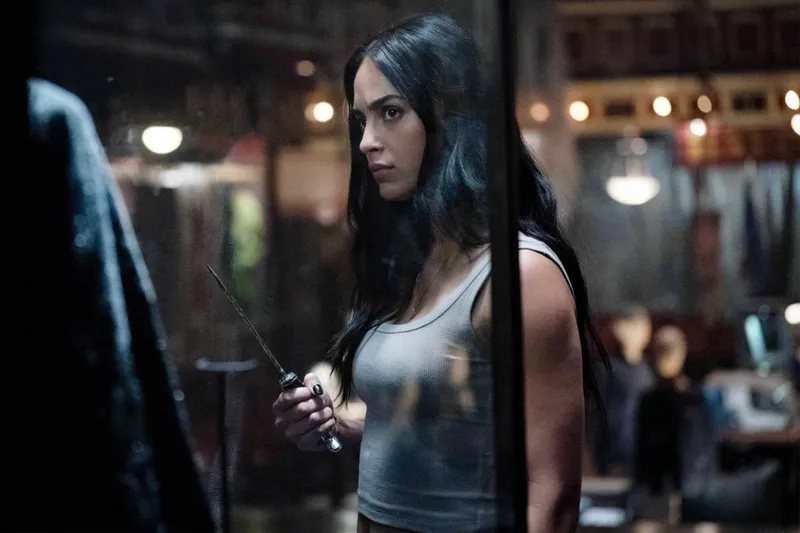
Melissa Barrera's firing sparked industry-wide debate about political expression in Hollywood
The first domino fell in November 2023 when Spyglass Media Group fired Melissa Barrera over her social media posts about the Israel-Palestine conflict. Her comparison of Gaza to a "concentration camp" and accusations of "genocide & ethnic cleansing" triggered what the studio called a "zero tolerance" policy against antisemitism. But Barrera's response revealed the human cost: "the darkest and hardest year of my life," she confessed, while standing by her principles.
The controversy spilled onto the red carpet, where pro-Palestine protesters gathered at the film's premiere, and Barrera's Instagram Story appeared to show silent solidarity—a digital ghost haunting the production.
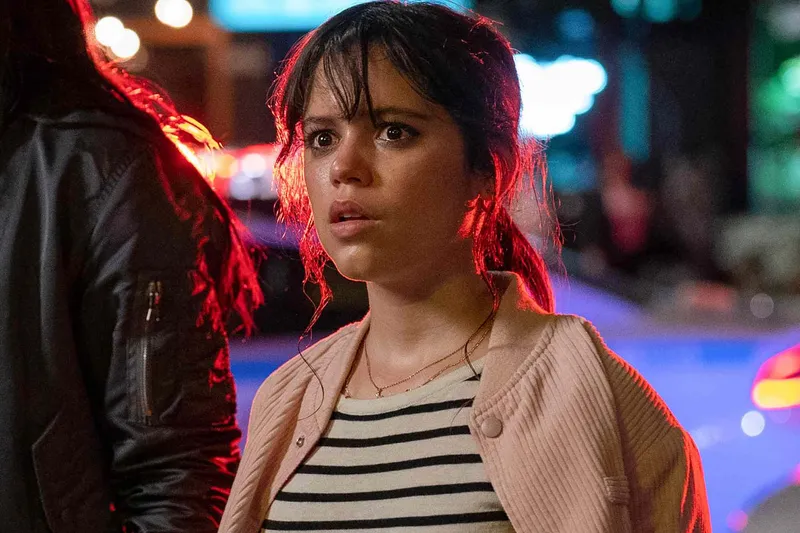
Jenna Ortega's exit revealed the behind-the-scenes chaos that studios tried to hide
Then came the plot twist nobody saw coming. Jenna Ortega—the franchise's new scream queen—walked away just 24 hours after Barrera's firing. While initial reports blamed scheduling conflicts with Wednesday, Ortega later dropped the truth bomb: "It wasn't about pay or scheduling. It was the chaos." Her departure exposed a production in freefall, with Ortega choosing "original stories over franchise work" as the ship sank.
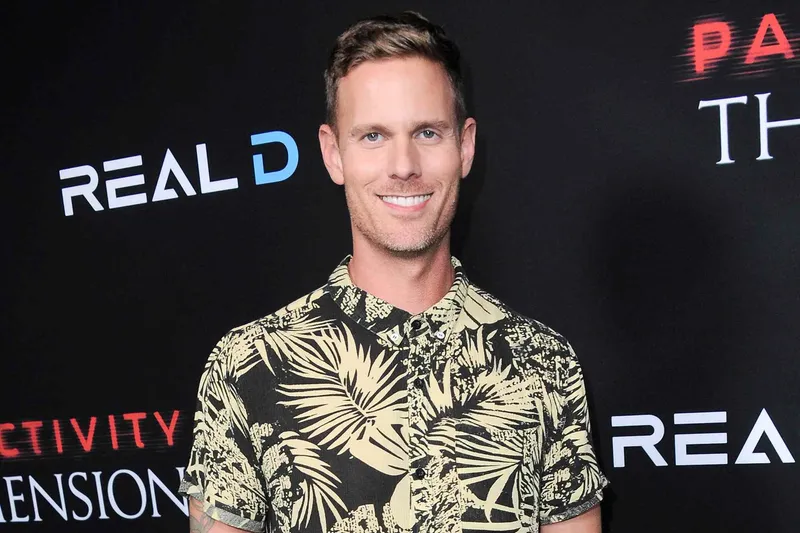
Christopher Landon's nightmare exit included death threats from angry fans
The director's chair became a revolving door of horror. First, Bettinelli-Olpin and Gillett exited over scheduling conflicts, then Christopher Landon stepped in—only to call it quits months later. His exit statement read like a horror script: "a nightmare" production where he received death threats from fans furious about Barrera's firing. "I lost a dream job," Landon revealed, becoming another casualty in a war between artistic vision and corporate politics.
What remains is a franchise fundamentally altered—not by Ghostface's knife, but by real-world controversies that proved more terrifying than any slasher villain. The question haunting Hollywood: When political expression clashes with corporate interests, who really gets to survive?