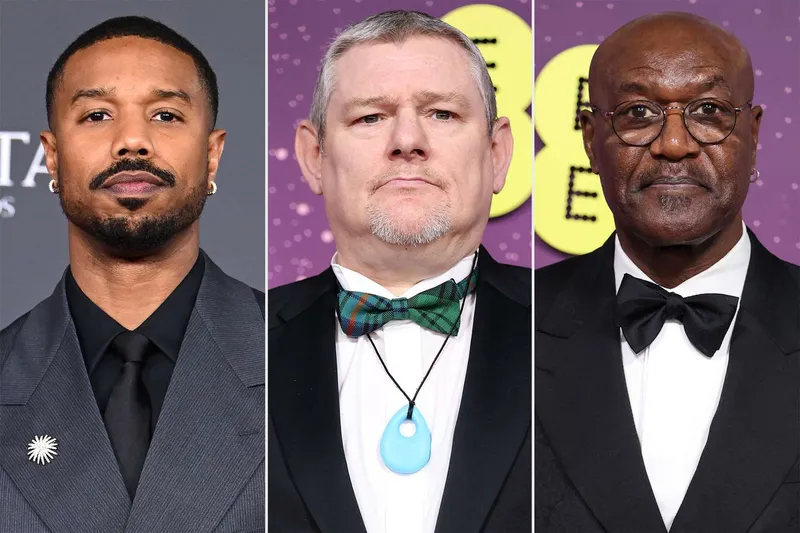
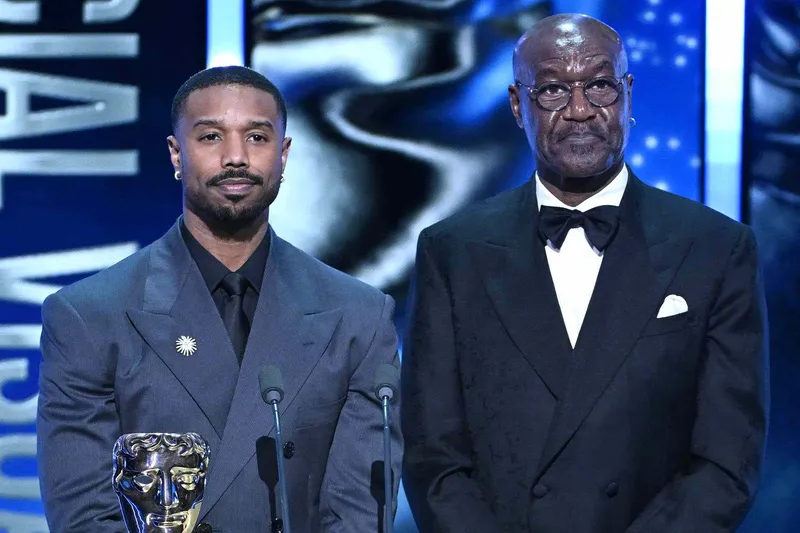
Michael B. Jordan and Delroy Lindo's stunned reaction during the BAFTA ceremony. Stuart Wilson/BAFTA/Getty
In a moment that has ignited a firestorm across social media, Tourette's advocate John Davidson has broken his silence after a racial slur erupted during the prestigious BAFTA awards ceremony. The incident has exposed the raw nerve between disability accommodation and public decorum in Hollywood's most glamorous settings.
"I am and always have been deeply mortified if anyone considers my involuntary tics to be intentional or to carry any meaning," Davidson declared in an emotional statement that has been shared over 50,000 times since Monday. "I have spent my life trying to support and empower the Tourette's community and to teach empathy, kindness and understanding from others and I will continue to do so."
The viral moment occurred as Michael B. Jordan and Delroy Lindo presented on stage, with Davidson's unexpected outburst causing visible shock among attendees. Davidson revealed he "chose to leave the auditorium early" on his own accord, acknowledging "the distress my tics were causing."
Before the ceremony began, the stage manager introduced Davidson to the audience, warning attendees they might hear "involuntary noises or movements." This precaution has now become the center of a heated debate: Did the BAFTAs do enough to prepare attendees, or did they set up a situation destined for controversy?
Tourettes Action CEO Emma McNally issued a powerful statement in support of Davidson that has resonated across disability advocacy circles: "We deeply understand that these words can cause hurt but at the same time, it is vital that the public understands a fundamental truth about Tourette syndrome: tics are involuntary. They are not a reflection of a person's beliefs, intentions, or character."
McNally's words have sparked a movement, with the hashtag #TicsAreInvoluntary trending worldwide as people share educational resources about neurological conditions. "People with Tourette's can say words or phrases they do not mean, do not endorse, and feel great distress about afterwards," she emphasized. "These symptoms are neurological, not intentional."
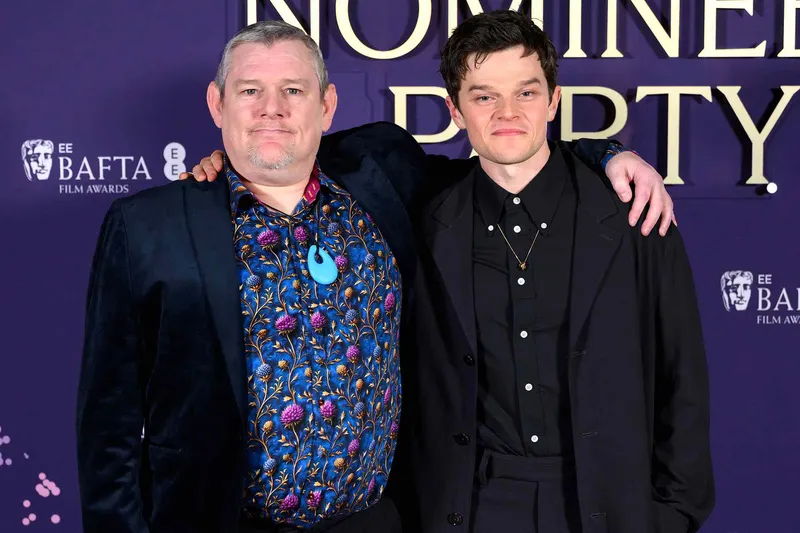
John Davidson with Robert Aramayo, who portrays him in the documentary 'I Swear'. Karwai Tang/WireImage
The British Academy of Film and Television issued a stunning mea culpa that has divided opinion: "We take full responsibility for putting our guests in a very difficult situation and we apologize to all." The organization specifically apologized to Jordan and Lindo, thanking them for "their incredible dignity and professionalism."
But the question remains: Who bears ultimate responsibility when neurological conditions collide with public events? The incident has exposed a fundamental tension in Hollywood's push for inclusion—how to accommodate neurological diversity while protecting all attendees from potentially distressing situations.
Social media has erupted with conflicting perspectives. Some praise Davidson's courage and the BAFTA's commitment to inclusion, while others question whether proper safeguards were in place. The conversation has expanded beyond this single incident to ask: What does true inclusion look like in high-pressure public settings?
As the film industry grapples with this unprecedented situation, one thing is clear: The BAFTA incident has become a watershed moment for disability awareness, forcing uncomfortable but necessary conversations about what it means to be truly inclusive in spaces where perfection is often expected.