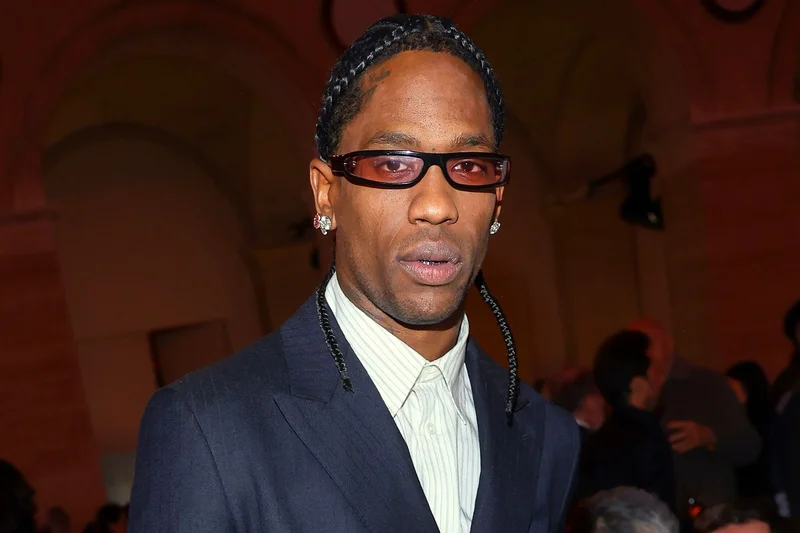
Travis Scott is spearheading a landmark legal battle that could redefine the First Amendment for hip-hop artists. In a bold move, the rapper has filed an amicus brief with the Supreme Court, arguing that using rap lyrics as evidence in death penalty cases is unconstitutional—a practice he claims unfairly targets Black creators and could be a death sentence for artistic expression.
The case revolves around James Broadnax, convicted for 2008 murders, whose violent rap lyrics were presented during sentencing. Prosecutors introduced 40 pages of his writings, which reportedly swayed the nearly all-white jury to impose the death penalty instead of life imprisonment. Broadnax, who is Black, faces execution on April 30, with Scott and other rappers claiming this sets a dangerous precedent.
Scott's legal filing, crafted by attorney Alex Spiro, asserts that prosecutors essentially argued Broadnax would remain dangerous because he created "gangster rap." The brief states this approach "functionally operates as a categorical and straightforwardly unconstitutional content-based penalty on rap music as a form of expression," highlighting systemic bias in the justice system.
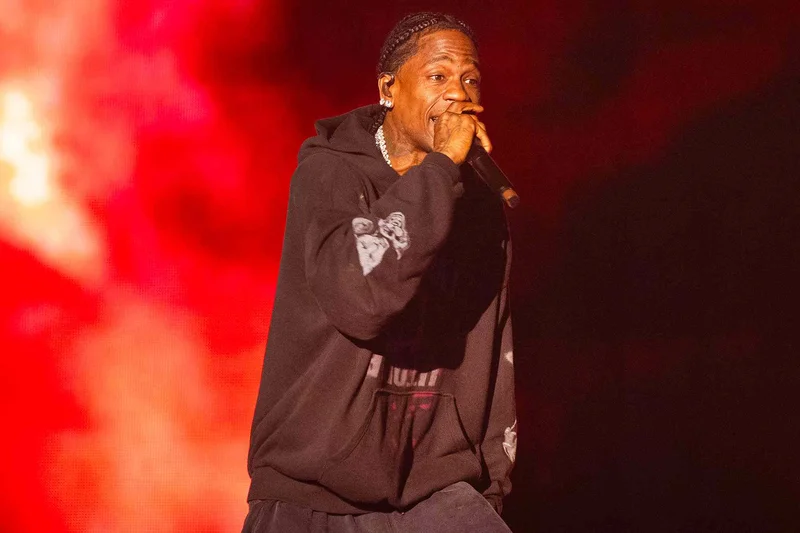
Travis Scott performing in 2025. Barry Brecheisen/Getty
Scott emphasizes that rap music is "artistic and political expression protected by the First Amendment" and should not be weaponized in court. He argues that using lyrics as evidence of criminal propensity unfairly targets a genre born from minority communities, risking a chilling effect on creative freedom.
The Astroworld star isn't fighting alone. Hip-hop heavyweights like Killer Mike, Young Thug, and T.I. have filed separate briefs in support of Broadnax, forming a united front against what they see as a discriminatory legal tactic. This coalition signals a growing movement within the industry to protect artistic rights.
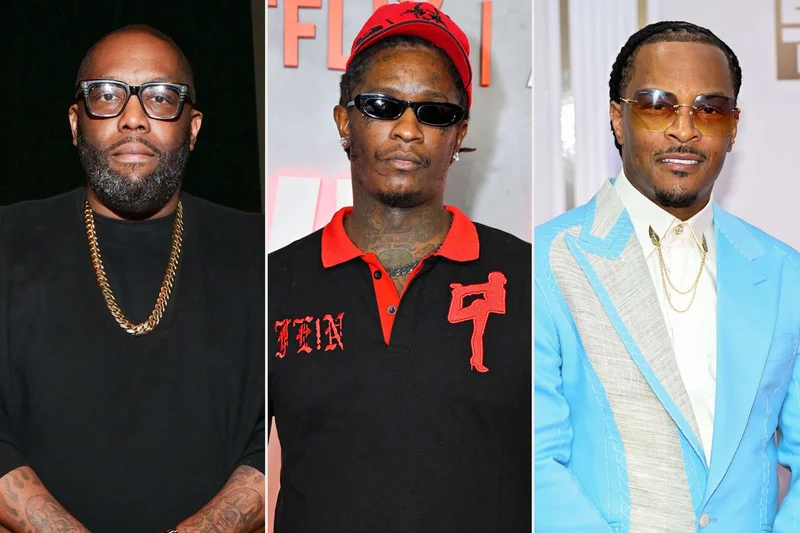
Killer Mike, Young Thug, and T.I. have also signed briefs in support of Broadnax. Prince Williams/WireImage; Ivan Apfel/Getty; Earl Gibson III/TheEntBase via Getty
This isn't the first time rappers have mobilized against the legal use of their art. In 2015, Killer Mike and others supported a student suspended over rap lyrics about coaches, and in 2019, artists rallied around Jamal Knox, charged over threatening song lyrics. Both times, the Supreme Court declined to hear the cases, making this current challenge a potential turning point for hip-hop's fight for justice.