Forget everything you know about table tennis. The real story behind Oscar-nominated sensation Marty Supreme involves smuggling, celebrity underground clubs, and a hustler who became a national champion at 67—all before Hollywood ever noticed.
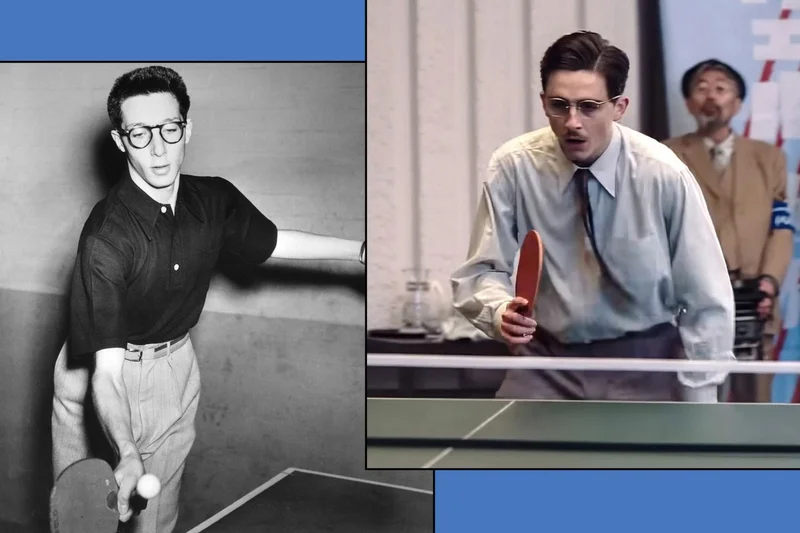
Timothée Chalamet's explosive performance as Marty Mauser isn't just acting—it's channeling the ghost of Marty Reisman, the "bad boy of ping-pong" who smuggled contraband between tournaments and ran clubs where Dustin Hoffman and Bobby Fischer played.
Director Josh Safdie didn't just read Reisman's autobiography—he weaponized it. "Table tennis became the perfect vehicle for exploring American dreams and disrespect," Safdie revealed, transforming Reisman's 1974 memoir The Money Player into a film with nine Oscar nominations.
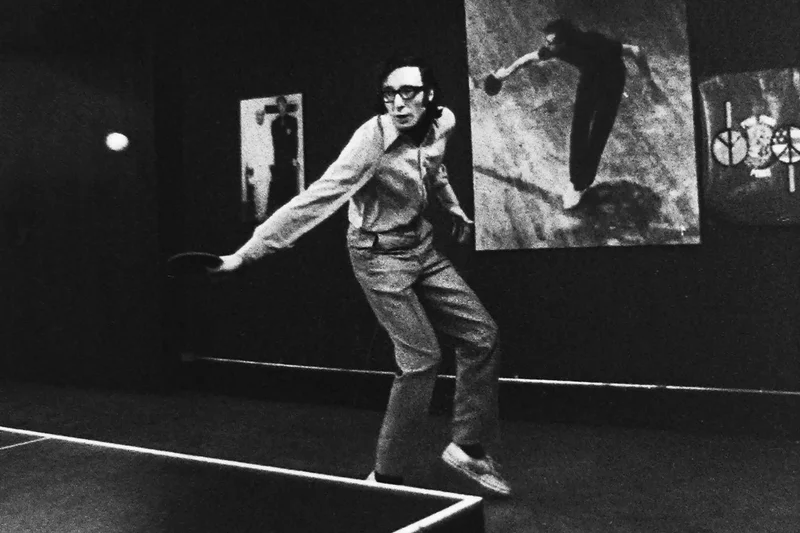
Marty Reisman in his New York ping-pong parlor, 1971—where celebrities and hustlers collided. Michael Gold/Getty
Reisman's life reads like fiction: orphaned early, he became New York's junior ping-pong champion at 13. By 16, he was smuggling to survive—"Table tennis players have to live on their wiles," he famously said. His "Atomic Blast" forehand made him the first American to win the British Open, but his real game was hustling.
While Chalamet portrays the fictional Marty Mauser opening for the Harlem Globetrotters, Reisman actually did it. His underground clubs became celebrity haunts where chess prodigies rubbed shoulders with Pulitzer winners. David Mamet—who appears in the film—was a regular.
The most unbelievable fact? Reisman won a national championship at age 67, becoming the oldest racket sport champion in history. He collected 22 major titles, founded Table Tennis Nation, and lived until 82—proving hustlers outlast everyone.
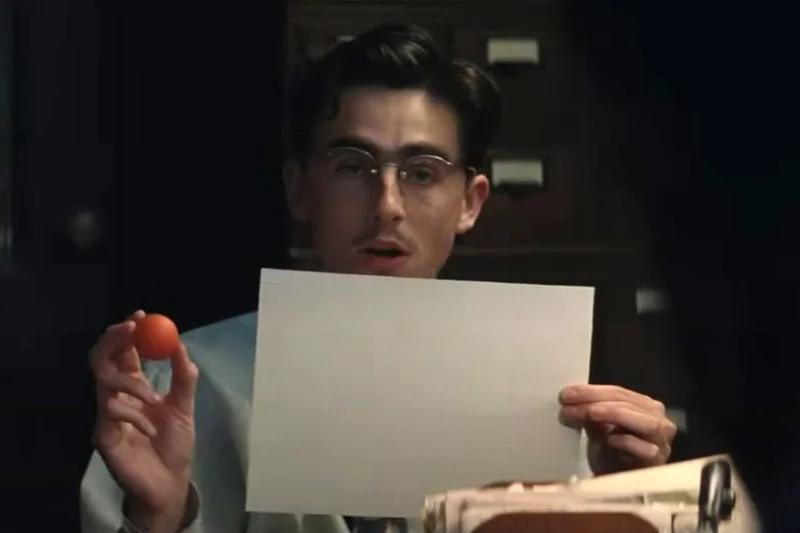
Timothée Chalamet channels Reisman's hustler energy in 'Marty Supreme.' A24
So how much of Marty Supreme is true? The smuggling, the clubs, the atomic forehand—all real. The disrespect? Reisman lived it. In an era when table tennis was dismissed, he turned it into theater, proving that sometimes the greatest stories aren't written—they're played.