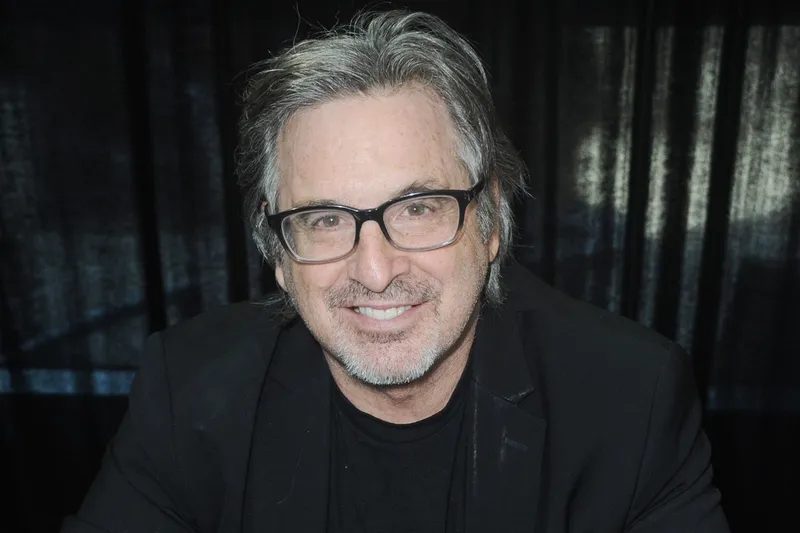
The entertainment world is reeling today as news breaks that Robert Carradine—the iconic actor who defined nerd culture in Revenge of the Nerds and charmed a new generation as Lizzie McGuire's dad—has died by suicide at 71. This isn't just another celebrity death; it's a wake-up call about the silent battles raging behind Hollywood's glittering facade.
In a raw, emotional statement, his brother Keith Carradine revealed the tragic truth: Robert's decades-long mental health struggle finally overwhelmed him. "There should be no shame in this," Keith declared, shattering the stigma that too often surrounds mental illness in show business. "He was fighting an illness that ultimately won. But I want the world to remember his brilliance, not just his pain."
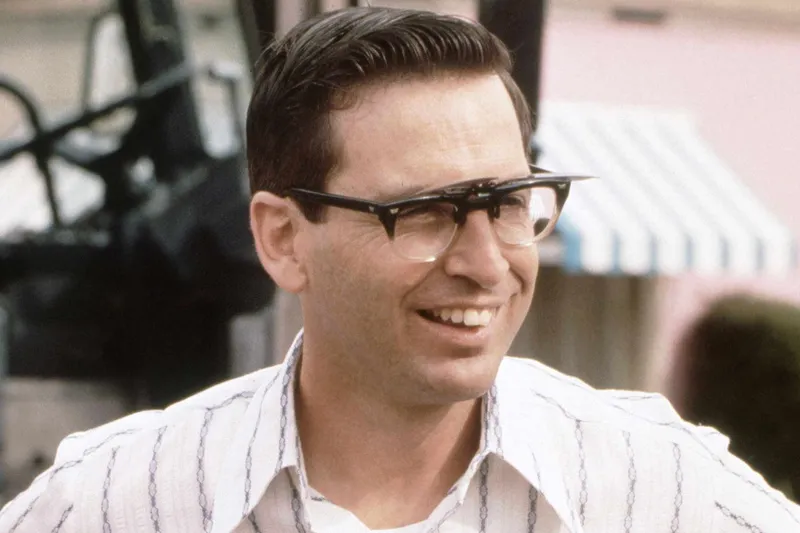
Robert Carradine as Lewis Skolnick in 'Revenge of the Nerds IV: Nerds in Love' (1994)—a role that made him a cult hero but masked private struggles. 20th Century Fox Film Corp./ Everett
Carradine's death exposes a harsh reality: even those who brought us laughter and nostalgia weren't immune to despair. From his breakout in the 1984 comedy that spawned a franchise to his beloved turn on Disney's Lizzie McGuire, he seemed to have it all—fame, family, and a career spanning five decades. Yet behind the scenes, he was waging a war few knew about.
Born into Hollywood royalty in 1954, Carradine's journey began with TV roles in the '70s and evolved through films like Mean Streets and The Long Riders, where he acted alongside his brothers. But it was his portrayal of the lovable underdog Lewis Skolnick that cemented his place in pop culture history, inspiring generations of self-proclaimed nerds to embrace their quirks.
Now, his passing is forcing the industry to confront its own demons. In an era where mental health is finally getting mainstream attention, Carradine's story is a tragic reminder that fame doesn't shield anyone from suffering. Social media is already ablaze with tributes from co-stars and fans, many sharing their own struggles in solidarity.
Keith's plea for openness could be a turning point. "We find comfort in his humor and wisdom," he said, urging others to speak up without fear. As Hollywood mourns, the conversation is shifting from grief to action—how can we better support those in the spotlight who are silently crumbling?
If you or someone you know is considering suicide, call the National Suicide Prevention Lifeline at 800-273-TALK (8255) or text Crisis Text Line at 741741. You are not alone.