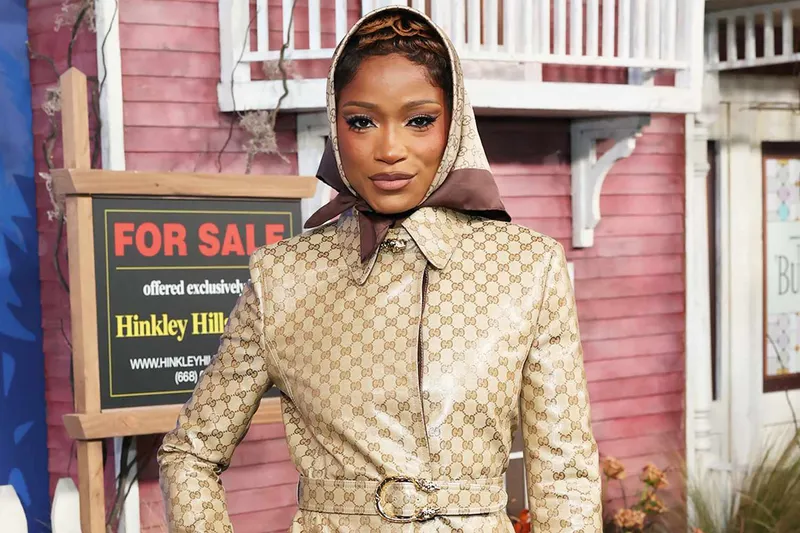
Keke Palmer, the 32-year-old actress with over 100 roles and two decades in Hollywood, has dropped a truth bomb that's shaking the entertainment industry to its core. In an explosive interview with TheEntBase, she pulls back the curtain on what she calls the 'dehumanizing' reality of being a child star in Hollywood's factory system.
Palmer's journey began at just 11 years old with 2004's Barbershop 2, quickly followed by her own Nickelodeon pilot Keke and Jamal. But it was her starring role in True Jackson, VP that catapulted her to fame, drawing 4.8 million viewers at its 2008 premiere and spawning a Walmart clothing line that made her a household name.
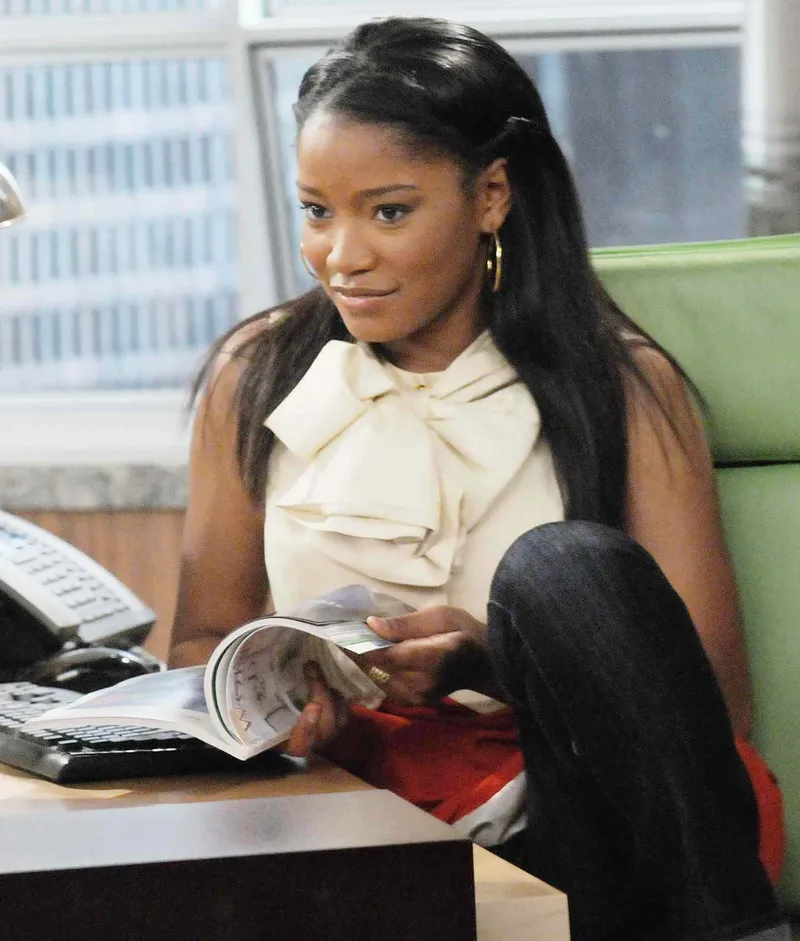
Keke Palmer's Nickelodeon hit 'True Jackson, VP' made her one of TV's highest-paid child stars. Michael Yarish/Nickelodeon
The shocking revelation? "Working as a child entertainer on networks like Disney and Nickelodeon is incredibly dehumanizing—I say that without sadness," Palmer declared. "You're treated as a product, not a person. The system is designed to churn out content, not nurture children."
At her peak, Palmer was earning $20,000 per episode, becoming the primary breadwinner for her family. "Once you experience the contrast between poverty and wealth, you won't go back, even if exhausted," she confessed. "You become trapped in a cycle where stopping isn't an option, no matter how much it costs you."
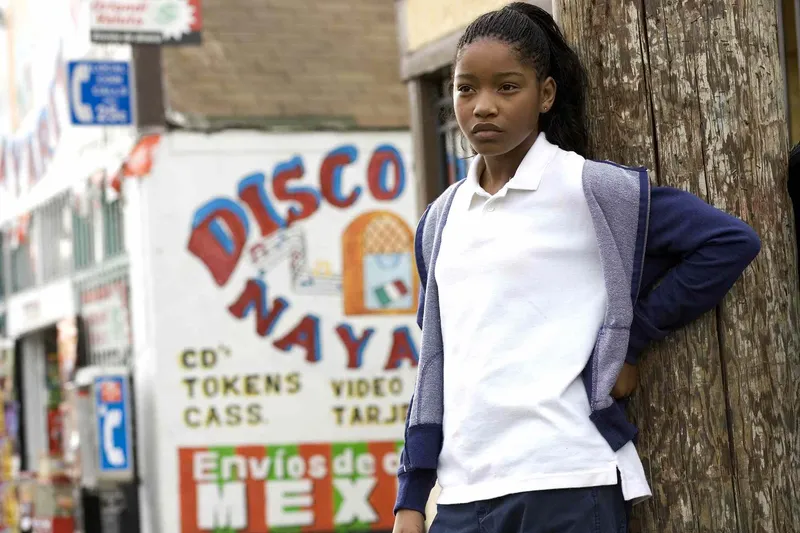
Palmer's breakthrough role in 'Akeelah and the Bee' (2006) showcased her talent but masked the industry's dark side. Saeed Adyani/Lionsgate
The turning point came with the birth of her son Leo in 2023. "For the first time in my life, I hit pause," Palmer revealed. "Motherhood forced me to confront what that relentless pace actually cost me—my childhood, my mental health, my sense of self."
In a powerful moment of self-reflection, Palmer shared: "Loving my baby made me see I wasn't loving myself properly. I realize now what I missed growing up in that system, and I'm determined to give that to myself now. This isn't about blaming others—it's about exposing a broken system so future kids don't have to pay the same price."
Her story is sparking urgent conversations about child labor laws in entertainment, mental health protections for young performers, and whether Hollywood's 'star-making machine' needs a complete overhaul.