🚨 SPOILER ALERT: This isn't your grandmother's Bridgerton. Season 4's explosive finale just rewrote the rules of romance storytelling.
Julia Quinn's beloved novel An Offer From a Gentleman just got a feminist makeover that's dividing fans and dominating conversations. While book purists expected a faithful adaptation, showrunner Jess Brownell dropped a bombshell revelation: she intentionally dismantled the original climax to create something revolutionary.
"We didn't just adapt—we evolved," Brownell declares in an exclusive interview. "The shoe clip controversy? That was just the beginning. We completely re-engineered Sophie's journey from passive victim to active heroine."
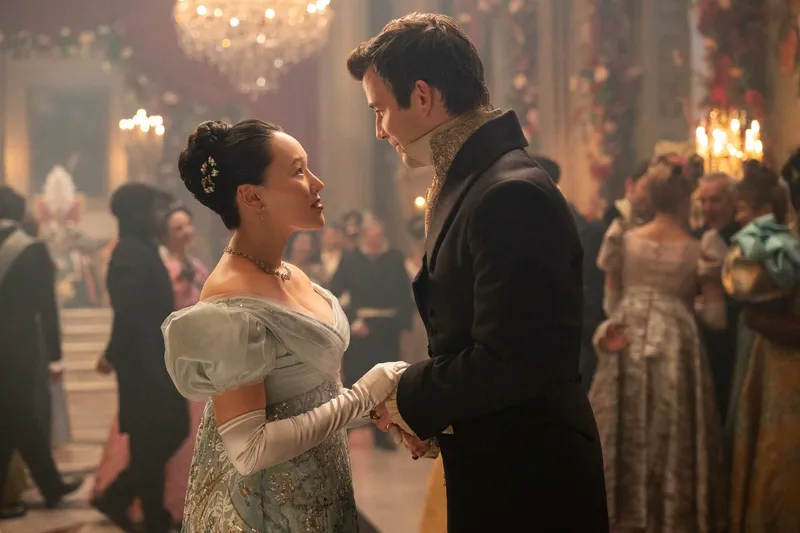
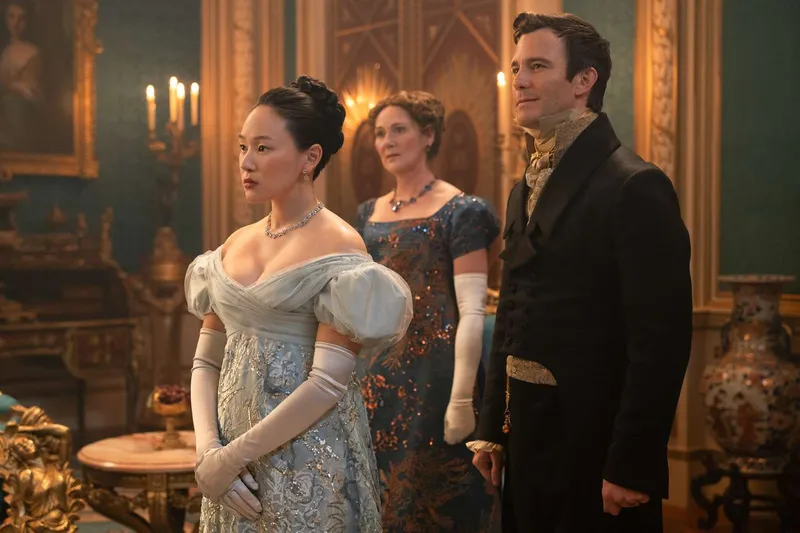
Yerin Ha's Sophie becomes Bridgerton's most empowered heroine yet. Liam Daniel/Netflix
THE GREAT SHOE CLIP HEIST: In Quinn's version, Sophie steals the clips herself—a desperate act of survival. But the show flips the script: "We made Posy the initial thief," Brownell reveals. "This wasn't about making Sophie 'nicer'—it was about showing her as someone worth protecting, worth fighting for."
The jail scene transformation is where the revolution truly unfolds. While the book has Araminta taunting a helpless Sophie, the series delivers a jaw-dropping moment: Sophie staring down her tormentor in the cold cell, Benedict and Violet arriving not as rescuers but as reinforcements.
Sophie's jail confrontation becomes a masterclass in character agency. Liam Daniel/Netflix
"We stretched the timeline deliberately," Brownell explains. "The book's single intense sequence? We broke it apart to give Sophie room to breathe, to think, to act. Benedict's heroic entrance is romantic, but Sophie confronting Araminta and examining the will—that's empowerment."
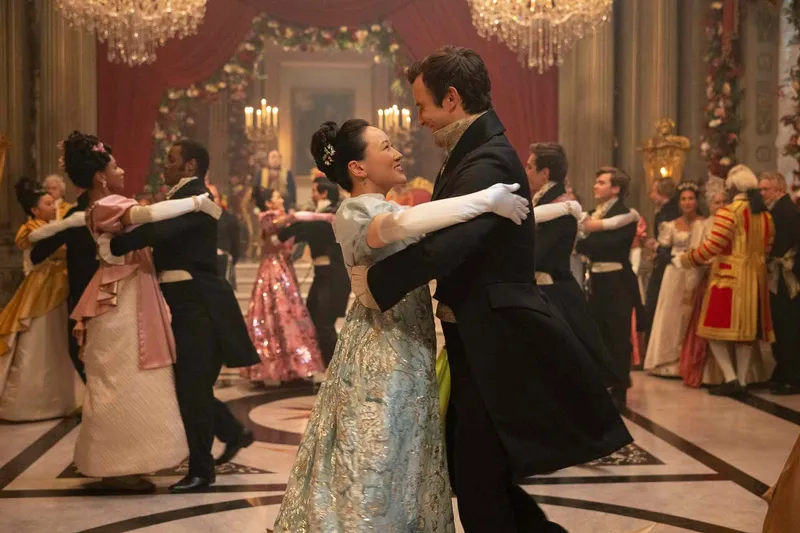
THE QUEEN'S BALL AMBUSH: The climax reaches its peak when Sophie, Violet, and Benedict orchestrate a trap so brilliant it would make Lady Whistledown proud. "Yerin Ha owns that scene," Brownell gushes. "You see the transformation from servant to strategist. She's not just being saved—she's engineering her own salvation."
Even the villain gets depth in this reimagining. Katie Leung's Araminta delivers a performance so nuanced that viewers might find themselves almost sympathizing. "We explored her villainy," Brownell notes. "That final exchange? She's not apologizing, but you see the dawning realization of what she's lost. It's heartbreaking and powerful."
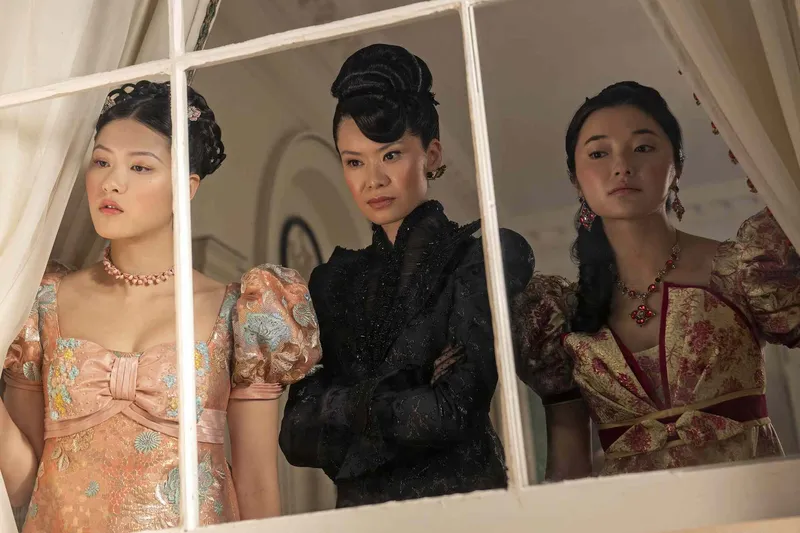
The confrontation that redefines Bridgerton's storytelling. Liam Daniel/Netflix
THE VERDICT: This isn't just adaptation—it's evolution. By shifting Sophie from object to subject, from rescued to rescuer, Bridgerton has created a new blueprint for historical romance. The final union between Sophie and Benedict feels earned, not bestowed. As Brownell puts it: "We gave Sophie the pen. And she wrote her own happy ending."
Love it or hate it, one thing's certain: Bridgerton just changed the game. And Sophie's empowerment might be the most revolutionary ballroom scandal yet.